Imagine waking up to the call of a one-horned rhino drifting through morning mist. Or watching monks chant prayers at a 400-year-old monastery perched above the clouds. Or crossing a living root bridge that has been growing for two centuries.
This is North East India.
It is one of the most underrated travel regions in the world. Eight states. Hundreds of tribes. Thousands of species of flora and fauna. And yet, very few travellers ever make it here.
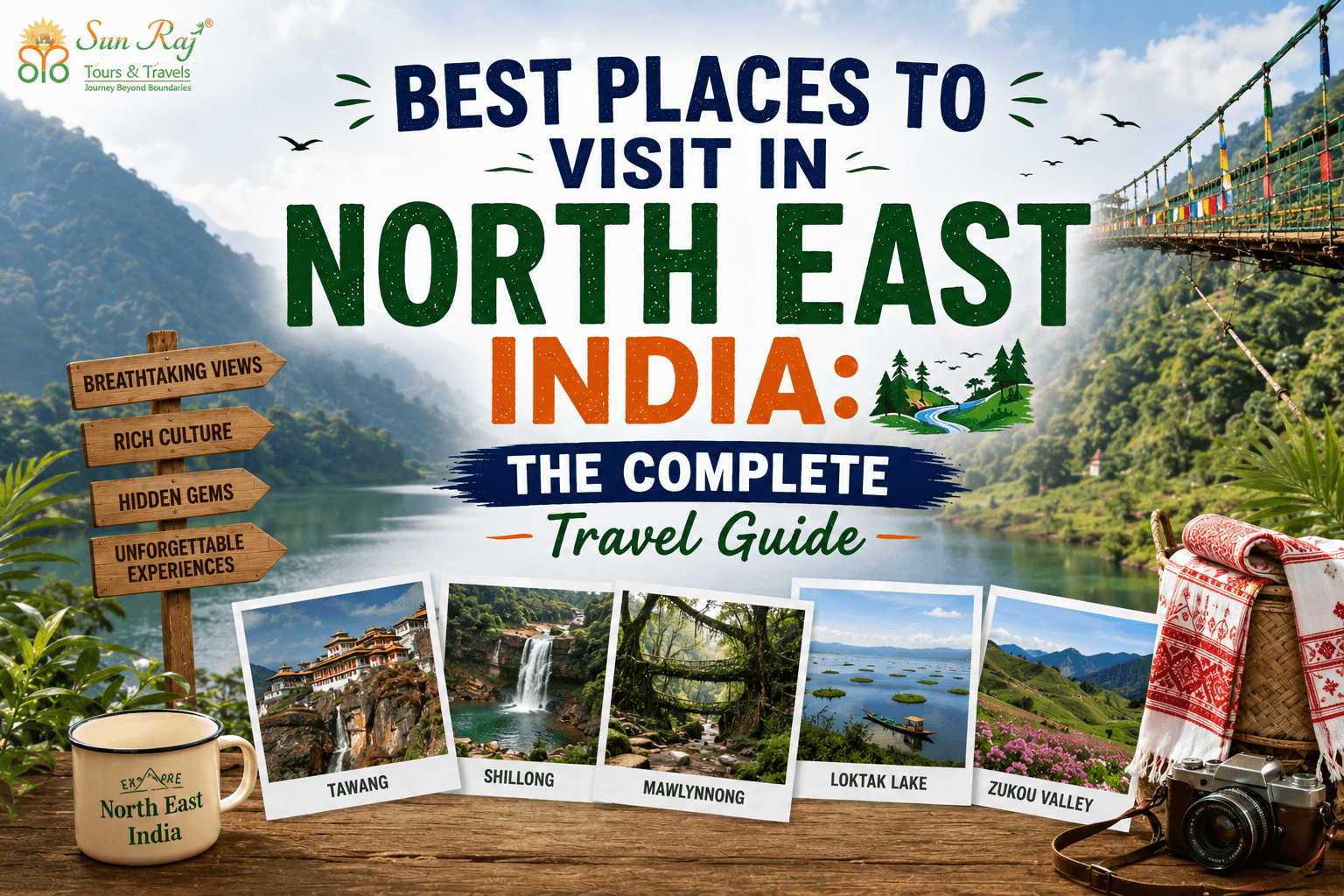
If you are searching for the best places to visit in North East India, you have landed on the right page. This guide covers everything — from iconic landmarks to hidden gems, from wildlife safaris to cultural festivals. Whether you are a solo adventurer, a couple on a romantic getaway, or a family looking for a unique experience, North East India has something for everyone.
What Makes North East India Special?
North East India comprises eight states, Assam, Meghalaya, Arunachal Pradesh, Nagaland, Manipur, Mizoram, Tripura, and Sikkim. Together, they are affectionately called the “Seven Sisters and a Brother.”
The region shares international borders with Bhutan, China, Myanmar, Nepal, and Bangladesh. This geographical position gives it a cultural richness you will not find anywhere else in India. North-east India tourism is still relatively uncrowded, which means you get a genuinely authentic, unspoilt experience.
Here is why the region deserves a top spot on your travel bucket list:
- It is home to two UNESCO World Heritage Sites, Kaziranga National Park and Manas National Park.
- The region has over 220 dialects and more than 100 distinct tribes.
- It offers some of the finest biodiversity in Asia, including rare orchids, hornbills, red pandas, and one-horned rhinos.
- North east India tourism places range from snow-capped peaks and living root bridges to sacred temples and floating lakes.
- The food, the festivals, and the hospitality here are unlike anything else in India.
Best Places to Visit in North East India (State by State)
1. Assam – The Gateway to the North East
Guwahati is the natural starting point for most north east India tourism trips. The city sits on the banks of the Brahmaputra and is a great place to ease into the region.
Kamakhya Temple: Perched atop Nilachal Hill, the Kamakhya Temple is one of the most revered Shakti shrines in India. The temple draws pilgrims and tourists alike, especially during the Ambubachi Mela in June. A sunset cruise on the Brahmaputra is the perfect way to end your day in Guwahati.
Kaziranga National Park
No list of the best places to visit in North East India is complete without Kaziranga. This UNESCO World Heritage Site is home to nearly 2,400 one-horned rhinos — the largest population anywhere in the world. Royal Bengal Tigers, wild elephants, swamp deer, and over 480 species of birds also call this park home. A jeep safari through the central range or an elephant safari in the western range are both experiences of a lifetime.
Majuli Island
Majuli is the world’s largest river island, sitting in the middle of the Brahmaputra. You can only reach it by ferry from Jorhat. Majuli is the cultural soul of Assam — home to ancient Vaishnavite monasteries called Satras, where traditional music, dance, and mask-making are still practised daily. Stay in a bamboo homestay and wake up to the sound of the river flowing beneath you.
2. Meghalaya – The Abode of Clouds
Shillong
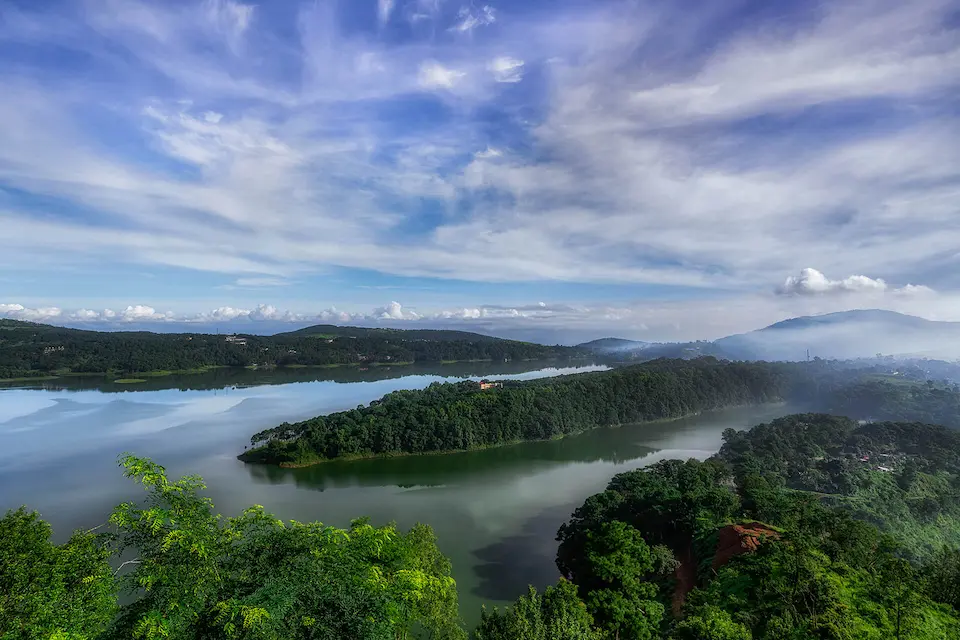
Known as the “Scotland of the East,” Shillong is the capital of Meghalaya and one of the most popular north east India tourism places. Surrounded by pine-covered hills and fog, the city is also known as India’s rock music capital. Ward’s Lake, Elephant Falls, the Don Bosco Museum, and Shillong Peak are among its key highlights.
Cherrapunji (Sohra)
Cherrapunji holds the record for the most rainfall in a calendar year. But beyond the rain, it is remarkable for its Living Root Bridges – double-decker bridges woven from the roots of rubber trees over hundreds of years. The Nohkalikai Falls, one of India’s tallest plunge waterfalls, and the Mawsmai Caves add to Cherrapunji’s appeal.
Mawlynnong
Named the cleanest village in Asia in 2003, Mawlynnong is a perfectly maintained village with flower-lined pathways, bamboo dustbins on every corner, and a sky walk that gives you views into Bangladesh. It is one of those rare north east India tourism places that feels almost too beautiful to be real.
3. Arunachal Pradesh – The Land of the Rising Sun
Tawang
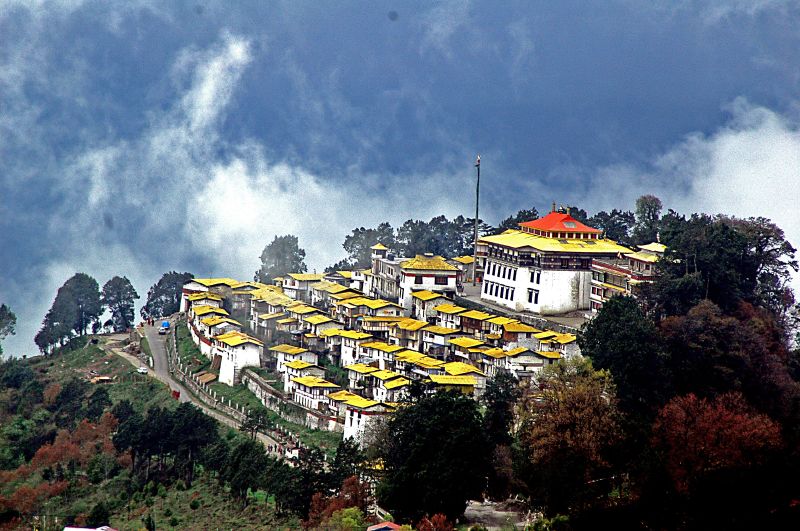
Tawang is arguably one of the best places to visit in North East India for culture lovers. The Tawang Monastery is the largest in India and second largest in the world, built in the 17th century at an altitude of 10,000 feet. To reach Tawang, you cross the Sela Pass at 13,700 feet – a journey as dramatic as the destination itself. The views of the Tawang River Valley from the monastery are simply extraordinary.
Ziro Valley
Ziro Valley is a UNESCO tentative World Heritage Site and one of the most peaceful destinations in the country. It is home to the Apatani tribe, known for their sustainable agricultural practices and fine handwoven crafts. Every September, Ziro hosts the Ziro Festival of Music – one of India’s most beloved outdoor music events. Surrounded by terraced rice fields and bamboo forests, Ziro is a place you will not want to leave.
4. Sikkim – Where the Himalayas Begin

Gangtok
Gangtok, the capital of Sikkim, sits at 1,650 metres and offers stunning views of Mount Kanchenjunga on clear mornings. The Rumtek Monastery, Tashi Viewpoint, and Enchey Monastery are must-visits. The city’s MG Marg is a great place to try local momos and thukpa after a day of sightseeing.
Tsomgo Lake (Changu Lake)
Perched at 12,400 feet on the Gangtok–Nathu La highway, Tsomgo Lake is one of India’s most stunning high-altitude lakes. It freezes in winter and bursts into colour with wildflowers in spring. A yak ride along the lake’s edge is one of the most iconic north east India tourism activities.
Lachung and Yumthang Valley
Lachung is a quiet mountain town close to the Tibetan border. The nearby Yumthang Valley, also called the “Valley of Flowers” turns into a stunning carpet of rhododendrons in April and May. The Zero Point beyond Yumthang sits at 15,000 feet above sea level and is often snowbound even in summer.
5. Nagaland – The Land of Festivals
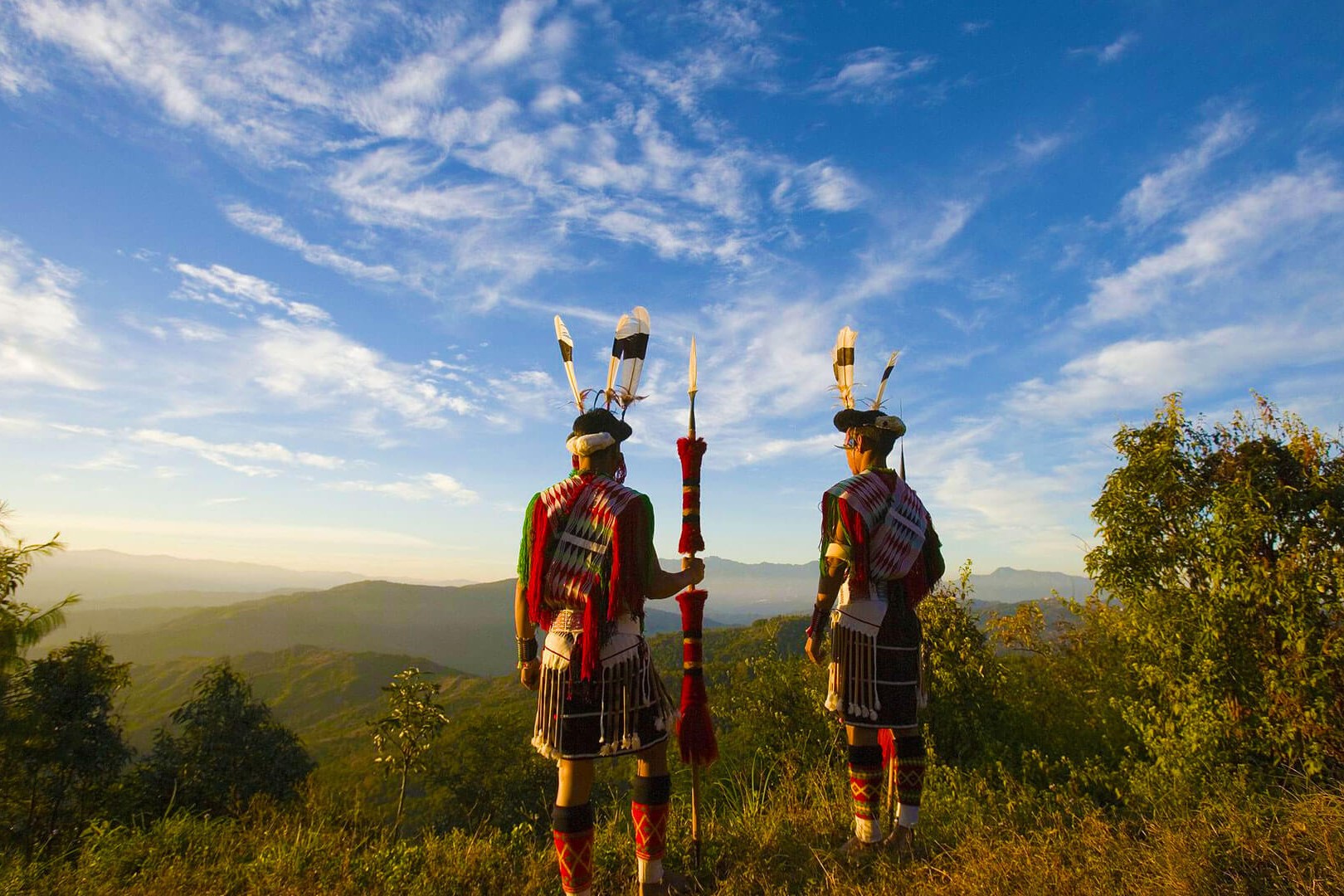
Kohima and Dzukou Valley
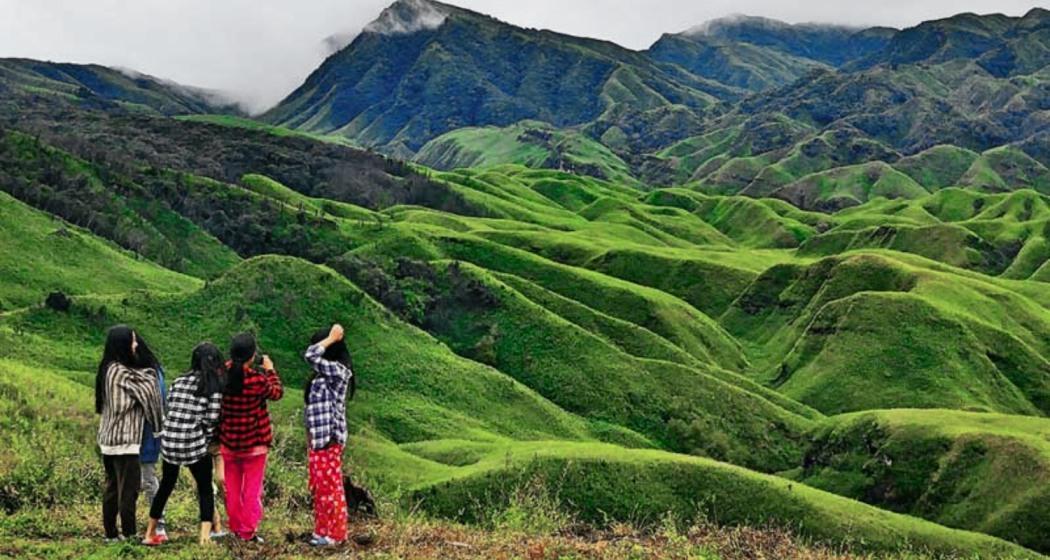
Kohima, the state capital, carries deep historical significance as the site of one of World War II’s fiercest battles. The Kohima War Cemetery is a powerful, sobering visit. Outside the city, the Dzukou Valley at 2,452 metres offers one of the finest trekking experiences in the country. The valley is famous for the Dzukou Lily, which blooms only here, and its carpets of green in the monsoon season.
Hornbill Festival (1–10 December)
If you visit Nagaland in December, do not miss the Hornbill Festival. Often called the “Festival of Festivals,” it brings all 16 major tribes of Nagaland together for ten days of music, dance, food, and cultural performances. It is one of the most extraordinary cultural events in India.
6. Manipur – The Jewel of India
Imphal and Ima Market
Imphal is a city that wears its history proudly. The Ima Market – an all-women’s market with more than 3,000 women traders – is unique in the world. The INA Memorial at Moirang marks where Netaji Subhas Chandra Bose’s Indian National Army first raised its flag on Indian soil in 1944.
Loktak Lake
Loktak is the largest freshwater lake in North East India. What makes it truly extraordinary is the presence of “phumdis” – floating masses of vegetation on which local fishermen build their huts. Keibul Lamjao National Park, the world’s only floating national park, sits within Loktak Lake and is the last natural refuge of the endangered Sangai deer.
7. Mizoram – The Land of Blue Mountains

Aizawl is one of India’s most dramatically situated capitals – built on steep ridges with houses clinging to the hillside. The city is clean, organised, and distinctly different from most Indian cities. Phawngpui (Blue Mountain), the highest peak in Mizoram at 2,157 metres, is a rewarding trek through rhododendron forests. It is a destination that rewards the traveller who is willing to go off the beaten track.
8. Tripura – The Royal State

Agartala, the capital, has a rich royal heritage. The Ujjayanta Palace, a grand 19th-century structure, now serves as the state museum. The Neermahal, a water palace built on Rudrasagar Lake, is one of the most unusual architectural wonders in India. And Unakoti, a hillside pilgrimage site with gigantic rock-cut sculptures carved into cliff faces, is one of the most mysterious and underrated north-east India tourism places in the entire region.
North East India Tourism: Best Time to Visit
The best time to visit North East India depends on what you want to experience.
October to April – Ideal for most travellers. The weather is clear and pleasant, visibility in the mountains is excellent, and national parks are open. This is the best period for trekking, wildlife safaris, and sightseeing.
May to September – Monsoon season. The region receives heavy rainfall, especially in Meghalaya. Travel can be challenging in some areas, but the landscapes are intensely green, and waterfalls are at their most dramatic.
December to February – Winter. Higher altitude areas like Tawang and Ziro Valley receive snowfall. December is particularly special for Nagaland’s Hornbill Festival.
Quick state-wise reference:
- Assam: November to April (national parks open)
- Meghalaya: October to May (Cherrapunji best in and just after monsoon)
- Arunachal Pradesh: March to October
- Sikkim: March to June, September to November
- Nagaland: October to May; December for Hornbill Festival
- Manipur, Mizoram, Tripura: October to March
How to Reach North East India?
By Air: Guwahati’s Lokpriya Gopinath Bordoloi International Airport is the main hub for the region. Other key airports include Agartala, Imphal, Dimapur, Aizawl, and Bagdogra (for Sikkim and Darjeeling).
By Train: Guwahati is well-connected to major Indian cities by rail. Dimapur (Nagaland), Agartala (Tripura), and New Jalpaiguri (for Sikkim) also have railway connectivity.
By Road: National highways connect many of the states. However, mountain roads are best navigated in a 4WD vehicle. Road travel can be slow but is incredibly scenic.
Travel Tips for North East India
- Always carry cash. ATMs can be scarce in remote areas.
- Respect local customs. Ask permission before photographing tribal communities.
- Hire a local guide. Roads can be confusing, and locals know the terrain and the stories behind it.
- Pack layers. Even in summer, high-altitude areas get cold at night.
- Book accommodation in advance during festival seasons (especially December in Nagaland).
- Try the local food, bamboo shoot curry, smoked pork, Jadoh rice, black sesame chutney, and Thukpa noodle soup are all worth trying.
- Download offline maps before you head into remote areas where mobile data may be unavailable.
Plan Your North East India Trip with Sunraj Travels
Planning a trip to this region can feel overwhelming. Permits, remote roads, and varied terrain all require careful coordination. At Sunraj Travels, we take care of every detail for you.
Our domestic tour packages include carefully curated itineraries covering the best places to visit in North East India, with comfortable accommodation, expert local guides, and all logistics handled end to end. Whether you want a 10-day highlights tour or a 25-day deep dive across all eight states, our team will design the perfect trip for you.
Get in touch with us at sunrajtravels.com to start planning today.
Frequently Asked Questions (FAQs)
Q1. What are the best places to visit in North East India for first-time travellers?
For first-timers, a great starting point is Guwahati, Kaziranga National Park, Shillong, Cherrapunji, Gangtok, and Tawang. This combination covers wildlife, natural wonders, and cultural heritage in a single trip.
Q2. Is North East India safe for tourists?
Yes, North East India is generally safe. Follow local guidelines, stick to recommended routes, and check travel advisories before visiting areas near international borders. Most tourist zones are peaceful and welcoming.
Q3. Do I need a permit to visit North East India?
Indian nationals need an Inner Line Permit (ILP) for Arunachal Pradesh, Nagaland, Mizoram, and Manipur. Foreign nationals need a Protected Area Permit (PAP) for some of these states. Assam, Meghalaya, Sikkim, and Tripura are generally permit-free for most visitors.
Q4. How many days are ideal for exploring the region?
A minimum of 10 to 14 days lets you comfortably cover two to three states. A comprehensive north-east India tourism tour across all eight states takes around 21 to 25 days.
Q5. What is the best time for North East India tourism?
October to April is the best time for north-east India tourism for most travellers. December is particularly rewarding if you want to catch the Hornbill Festival in Nagaland.
Q6. What types of tourism are popular in North East India?
North east India tourism covers adventure tourism (trekking, river rafting), eco-tourism (national parks and wildlife reserves), cultural tourism (tribal festivals, monasteries), religious tourism (Kamakhya Temple, Tawang Monastery), and slow travel (homestays, village walks, and local food experiences).
Final Words
North East India is not just a destination. It is an experience that stays with you long after you return home. From the rhino-filled grasslands of Kaziranga to the monastery bells of Tawang, from the living root bridges of Cherrapunji to the floating islands of Loktak, every corner of this region tells a story.
The best places to visit in North East India are ready and waiting. All you need to do is take the first step.