
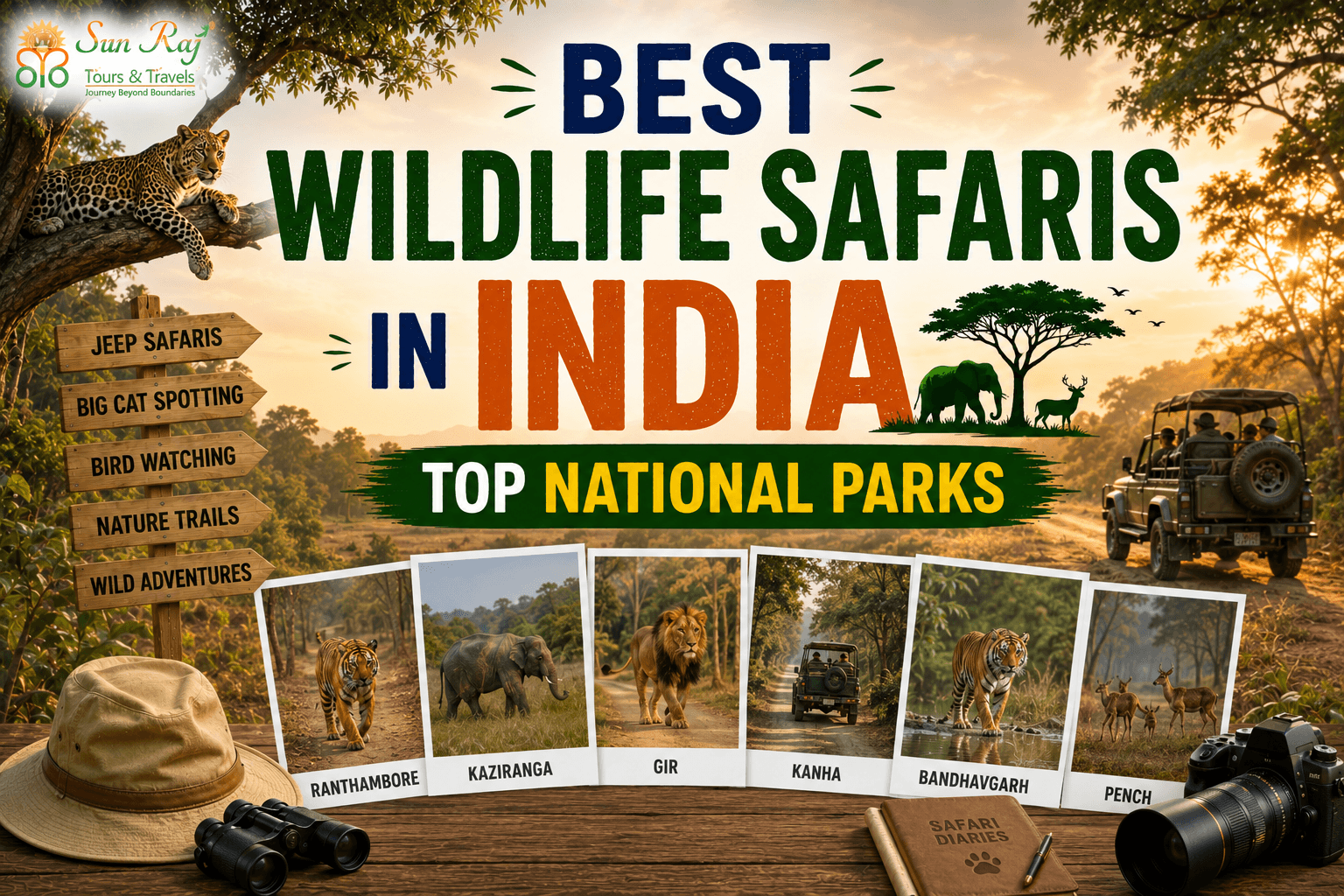
Best Wildlife Safaris in India — Top National Parks
Picture this: the forest is silent. Then, through the trees, a full-grown Bengal tiger locks eyes with you for three breathtaking seconds before slipping back into the shadows. No screen, no enclosure, no safety net, just you, a jeep, and India’s wild heart.
India is one of the few places on Earth where moments like this happen every single day. The country is home to over 100 national parks, 18 biosphere reserves, and more than 500 wildlife sanctuaries. From snow leopards in the Himalayas to saltwater crocodiles in the Sundarbans, the diversity of wildlife here is genuinely staggering.
The best wildlife safari in India is not one single experience. It is a collection of vastly different landscapes, animals, and stories, each park offering something the others cannot. Whether you are a seasoned wildlife photographer or a first-time jungle explorer, this guide covers every major national park, what to expect, when to go, and how to plan your trip.
Why India is a World-Class Safari Destination?
India’s safari scene rivals that of Africa in many ways. The density of tigers in certain parks is unmatched anywhere on the planet. Unlike African safaris, most national parks in India are spread across thick, atmospheric forests, not open grasslands, which makes every sighting feel earned and electric.
The country protects over 70% of the world’s wild tiger population. India also hosts the last wild Asiatic lions, the greatest concentration of one-horned rhinos, and millions of migratory birds. For anyone seeking the best wildlife safari in India, the options can feel overwhelming at first glance.
This guide breaks it all down, park by park, zone by zone.
Best Time for a Wildlife Safari in India
October to April is the ideal window for most national parks. Animals are easier to spot as the vegetation is dry and thinner. Water sources become concentrated, pulling animals into open areas.
Summer (April to June) is arguably the best time for tiger sightings. Tigers visit waterholes frequently during peak heat. Sightings increase, even though temperatures can be high.
Monsoon (July to September) sees most national parks close. The forest regenerates during these months, and the wildlife retreats deep into dense cover. Always check park schedules before you book.
Top National Parks for the Best Wildlife Safari in India
1. Jim Corbett National Park — Uttarakhand

Jim Corbett is India’s oldest national park, established in 1936. Located in the Nainital district of Uttarakhand, it spreads across riverine forests, grasslands, and the winding Ramganga River.
Corbett is the go-to choice for anyone wanting a tiger safari in India. The park has multiple zones, Dhikala, Bijrani, Jhirna, Durga Devi, and Sitabani, each offering a different terrain. Dhikala is the most popular for open, dramatic sightings.
Wildlife you can spot: Bengal tiger, Asian elephant, gharial, leopard, sloth bear, kingfishers, and over 650 bird species.
Best time to visit: November to June (Dhikala zone opens in mid-November).
Safari types: Jeep safari, canter safari.
Pro tip: Book the Dhikala zone well in advance, it fills up months ahead.
2. Ranthambore National Park — Rajasthan

Ranthambore is arguably the most photogenic of all parks for a tiger safari in India. The backdrop of a 10th-century fort rising above dry forest creates images unlike anything else on the subcontinent.
Set in Rajasthan, Ranthambore is known for its bold tigers. The big cats here are unusually comfortable around vehicles, which means sightings happen in broad daylight. Some of the most iconic tiger photographs in the world have been captured here.
Wildlife you can spot: Bengal tiger, leopard, sloth bear, hyena, nilgai, sambar, crocodile, and over 300 bird species.
Best time to visit: October to April.
Safari type: Jeep safari (6 seats) and canter safari (20 seats).
Pro tip: Zones 1 to 5 are in the core area. Zones 1, 2, and 3 near the lakes offer the highest tiger sighting chances.
3. Bandhavgarh National Park — Madhya Pradesh
If you had to pick one park for pure tiger action, Bandhavgarh is a strong contender. It has one of the highest tiger densities in the world. The compact core zone means you cover more potential tiger territory per hour of safari.
Bandhavgarh is also historic. The ancient Bandhavgarh Fort, believed to be 2,000 years old, sits inside the forest and adds an extraordinary layer to any jungle safari in India here.
Wildlife you can spot: Bengal tiger, leopard, Indian bison (gaur), sloth bear, wild boar, chital, and diverse bird species.
Best time to visit: October to June.
Safari type: Jeep safari only in core zones.
Pro tip: The Tala zone is the most productive for tiger sightings. Try to book this zone for at least one of your safaris.
4. Kanha National Park — Madhya Pradesh

Kanha is the park that inspired Rudyard Kipling’s The Jungle Book. Its broad meadows, sal forests, and gentle streams create a landscape straight out of a painting. This is one of the best wildlife safaris in India for families and first-time visitors.
Kanha is also the park that saved the barasingha, the hard-ground swamp deer, from extinction. Today, a healthy herd roams the meadows, and watching them in the soft morning light is one of India’s finest wildlife experiences.
Wildlife you can spot: Bengal tiger, barasingha, leopard, wild dog (dhole), Indian wolf, chinkara, and blackbuck.
Best time to visit: October to June.
Safari type: Jeep safari (morning and afternoon slots).
Pro tip: Always choose the morning safari. Animals, especially tigers, are far more active in the first two hours after sunrise.
5. Tadoba Andhari Tiger Reserve — Maharashtra

Tadoba is Maharashtra’s largest and oldest national park. It is widely known as the go-to destination for a budget-friendly wildlife safari in India that still delivers excellent sightings.
The dry teak forests and open waterholes make Tadoba one of the easiest parks to spot tigers in. During April and May, as the heat peaks, tigers visit the lakes and ponds almost on cue. Wildlife photographers love Tadoba for its open terrain and consistent action.
Wildlife you can spot: Bengal tiger, leopard (including a famous black panther), wild dog, sloth bear, marsh crocodile, and the “Big 5” of Tadoba, gaur, dhole, sloth bear, leopard, and tiger.
Best time to visit: February to May.
Safari type: Jeep safari (core and buffer zones).
Pro tip: The Tadoba lake area in the afternoon safari gives some of the most dramatic tiger sightings in all of India.
6. Kaziranga National Park — Assam

Kaziranga is India’s crown jewel in the northeast and a UNESCO World Heritage Site. It is home to the world’s largest population of the greater one-horned rhinoceros. Seeing these armored giants at close range on an elephant-back safari is unforgettable.
Kaziranga also holds the highest density of tigers of any protected area in the world, though the tall grass makes sightings harder than in central India. The real draw here is the sheer volume and diversity of large mammals.
Wildlife you can spot: one-horned rhino, Asian elephant, wild buffalo, eastern swamp deer, Bengal tiger, and over 400 bird species.
Best time to visit: November to April.
Safari type: Jeep safari and elephant-back safari.
Pro tip: The elephant-back safari in the early morning takes you off-road and into the heart of the grassland, completely different from a jeep ride.
7. Sundarbans National Park — West Bengal
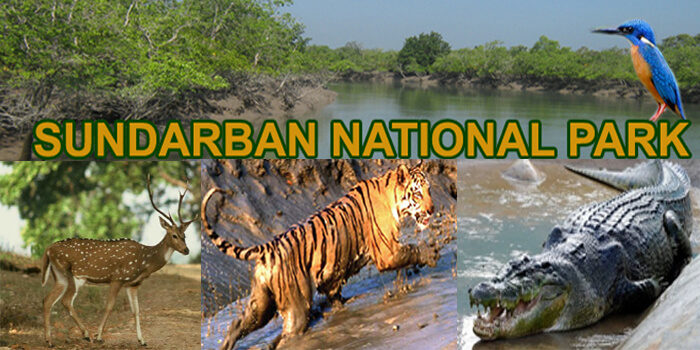
The Sundarbans is the world’s largest mangrove forest and home to the Royal Bengal Tiger. What makes the jungle safari in India here completely unique is that it takes place entirely on water. You explore via boat through a network of tidal channels and dense mangrove tunnels.
The tigers of Sundarbans are famously elusive. A sighting here is a rare prize. But the atmosphere, mist rising off the river, the sound of crocodiles sliding into the water, and the occasional flash of a kingfisher, makes every moment on the water extraordinary.
Wildlife you can spot: Royal Bengal tiger, saltwater crocodile, Irrawaddy dolphin, fishing cat, and water monitor lizard.
Best time to visit: October to March.
Safari type: Boat safari exclusively.
Pro tip: Hire an experienced local guide. Navigation through the channels requires local knowledge that no GPS can replace.
8. Gir National Park — Gujarat
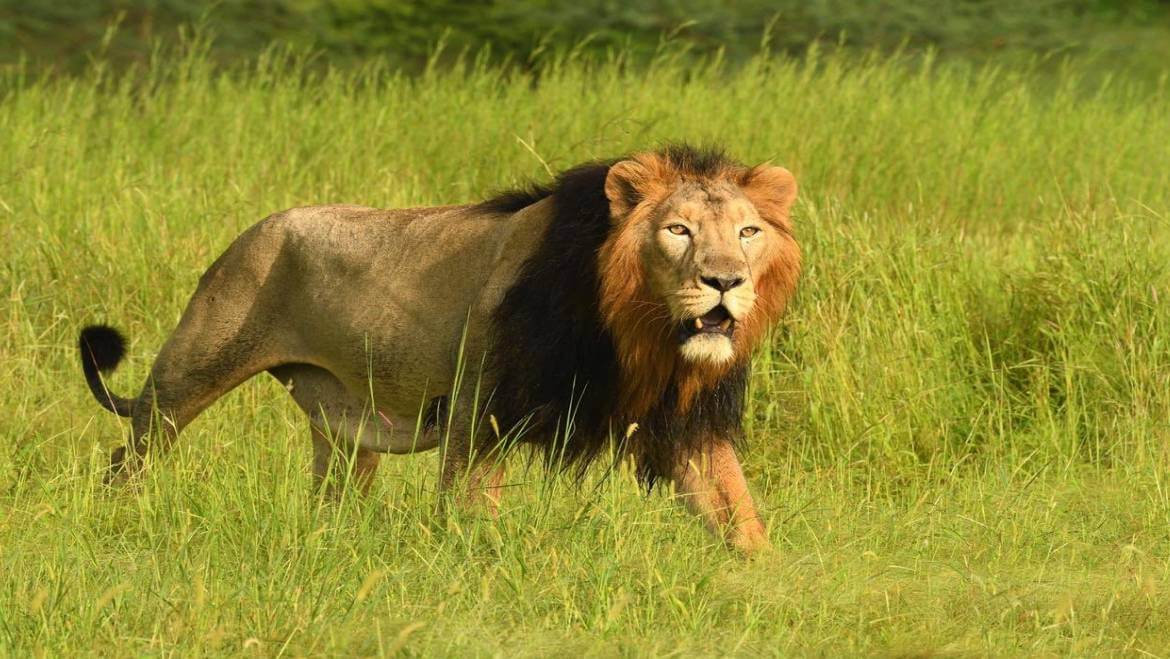
Gir is the last remaining habitat of the Asiatic lion. This is the only place in the world outside Africa where you can see a wild lion, and that alone makes it one of the best wildlife safaris in India for a unique experience.
The dry, deciduous scrub forest of Gir is completely different from the thick jungles of central India. Lions here are visible in open terrain, making sightings reliable and prolonged.
Wildlife you can spot: Asiatic lion, leopard, hyena, nilgai, four-horned antelope, and marsh crocodile.
Best time to visit: December to April.
Safari type: Jeep safari with a mandatory forest guide.
Pro tip: Book early, only six zones operate in Gir, and daily entry limits are strict.
9. Pench National Park — Madhya Pradesh/Maharashtra
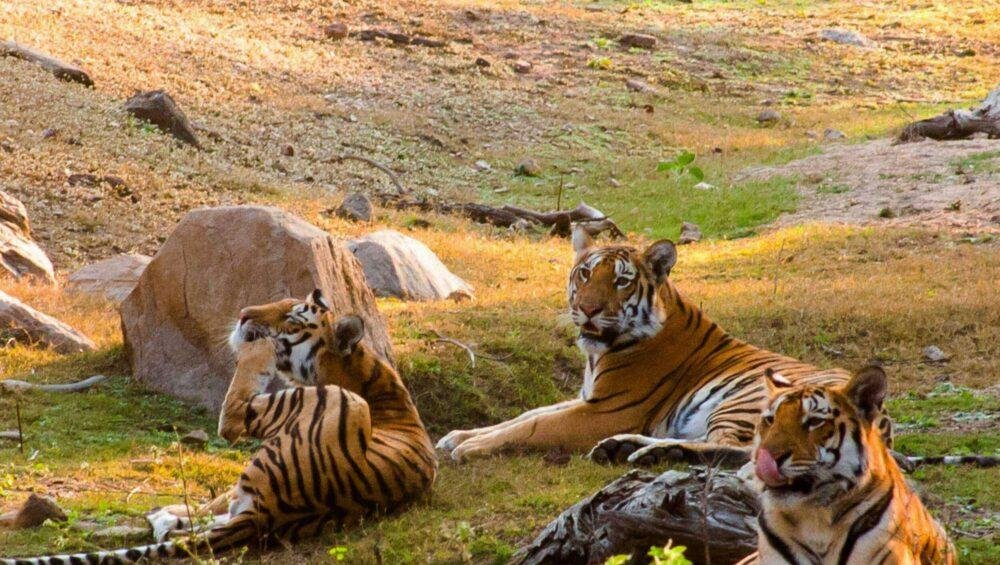
Pench sits on the border of Madhya Pradesh and Maharashtra. It is part of the same ecological landscape as Kanha and has strong tiger numbers. Pench is often quieter and less crowded than other major parks, which makes for a more relaxed jungle safari in India.
The late tigress Collarwali, who gave birth to 29 cubs over her lifetime, brought Pench global attention. Her legacy continues through the large tiger population that roams the park today.
Wildlife you can spot: Bengal tiger, leopard, wild dog, sloth bear, Indian bison, spotted deer, and over 210 bird species.
Best time to visit: October to June.
Safari type: Jeep safari.
Pro tip: Pair Pench with Kanha for a comprehensive central India wildlife circuit.
10. Periyar Wildlife Sanctuary — Kerala

Periyar offers something entirely different from the tiger-focused parks of central India. Set in the Western Ghats, this sanctuary is centered around the Periyar Lake. A boat ride across the lake, watching elephants wade into the water at dawn, is one of the most peaceful wildlife experiences in the country.
Wildlife you can spot: Asian elephant, tiger, wild boar, sambar deer, Malabar giant squirrel, and over 300 bird species.
Best time to visit: October to June.
Safari type: Boat safari and jeep safari.
Pro tip: The early morning boat tour along Periyar Lake gives the best elephant encounters.
Types of Safaris Available in India
Understanding the different safari formats helps you choose the right experience.
Jeep Safari is the most common format across all national parks. A jeep (usually a Gypsy) carries six passengers plus a driver and a forest guide. It gives you flexibility and the best photography angles.
Canter Safari is available in parks like Ranthambore and Corbett. A large open vehicle carries up to 20 passengers. It is a budget-friendly option but offers less maneuverability.
Elephant safaris are unique to Kaziranga and a few other parks. Riding an elephant allows access to terrain a jeep cannot enter. The perspective from an elephant’s back changes the entire experience of a jungle safari in India.
Boat safari is the only option in Sundarbans and a great addition in Periyar. It removes all engine noise, allowing you to observe animals without disturbance.
How Much Does a Wildlife Safari in India Cost?
Costs vary significantly by park, zone, and accommodation level.
| Park | Approx. Jeep Cost (Indian Nationals) | Approx. Jeep Cost (Foreign Nationals) |
| Jim Corbett | ₹7,000 – ₹8,500 per jeep | $150 – $200 per jeep |
| Ranthambore | ₹2,500 – ₹3,500 per person | $30 – $50 per person |
| Bandhavgarh | ₹5,000 – ₹7,000 per jeep | $100 – $150 per jeep |
| Tadoba | ₹3,000 – ₹5,000 per jeep | $60 – $100 per jeep |
| Kaziranga | ₹2,500 – ₹4,000 per jeep | $60 – $90 per jeep |
Prices are approximate and vary by season, zone, and operator. Always confirm current rates before booking.
7 Essential Safari Tips for First-Timers
- Book safaris early. Core zone permits for popular parks like Bandhavgarh and Ranthambore sell out weeks in advance, especially from October to March.
- Go with an experienced naturalist. A trained guide dramatically improves your sighting chances. They read paw prints, alarm calls, and animal behavior that most visitors miss.
- Dress in muted tones. Avoid bright colors. Khaki, olive, and grey are ideal. Bright clothing can startle animals.
- Stay quiet in the forest. Noise carries further than most people realize. The best sightings almost always happen in silence.
- Start with the morning safari. Tigers, leopards, and most mammals are most active between sunrise and 9 AM.
- Bring the right gear. A good pair of binoculars (8×42 or 10×42) is just as important as your camera. Carry sunscreen, a hat, and a light jacket, mornings can be surprisingly cold even in summer parks.
- Respect the forest. Do not feed animals. Do not ask your driver to chase wildlife. Do not get off the vehicle inside core zones. The forest works on its own terms.
How to Book the Best Wildlife Safari in India?
The booking process in India has two layers, the national park permit and the overall tour package.
Park permits are issued by state forest departments and must be booked online or through an authorized operator. Some parks (like Ranthambore and Corbett) have centralized online portals. Others require booking through accredited travel agents.
Tour packages bundle the park permit, accommodation, transport, guide fees, and meals. This is the easiest way to ensure everything is handled correctly, especially if you are visiting multiple parks on one trip.
Looking to explore India’s forests with a fully planned itinerary? Check out our Domestic Tour Packages at Sunraj Travels, crafted for families, couples, and solo travelers seeking the very best of India’s wild landscapes.
Bonus: Lesser-Known Parks Worth Adding to Your List
The best wildlife safari in India does not always mean the most famous parks. These under-the-radar reserves deliver exceptional experiences with far fewer crowds.
Satpura National Park (Madhya Pradesh) — The only park in India that allows walking safaris in the core zone. A guided walking safari here is a completely different kind of adrenaline.
Nagarahole National Park (Karnataka) — Part of the Nilgiri Biosphere Reserve, this park offers dense canopy, high tiger and elephant numbers, and excellent water-based safaris on Kabini Lake.
Hemis National Park (Ladakh)—India’s largest national park and the best place in the country to spot the snow leopard during winter months (January to March).
Manas National Park (Assam) — A UNESCO World Heritage Site bordering Bhutan. Golden langur, pygmy hog, and one-horned rhino share this lush landscape.
Frequently Asked Questions
Q1. Which is the best wildlife safari in India for seeing tigers?
Bandhavgarh, Ranthambore, and Jim Corbett consistently offer the highest chances of tiger sightings. Bandhavgarh has the highest tiger density per square kilometre. Ranthambore offers the most dramatic landscape. Corbett is the most ecologically diverse.
Q2. Is a jungle safari in India safe?
Yes, national park safaris in India are well-regulated. You remain in the vehicle at all times inside core zones. Forest guards, trained naturalists, and strict protocols ensure visitor safety. Thousands of safaris take place every day without incident.
Q3. What is the best time of year for the best wildlife safari in India?
October to June covers most parks’ open seasons. November to February offers pleasant weather. April to June gives the highest tiger sighting success due to reduced vegetation and concentrated water sources.
Q4. Can I do a tiger safari in India on a budget?
Yes. Tadoba, Pench, and Kanha offer excellent tiger safaris at lower costs compared to Ranthambore or Corbett. Canter safaris in Ranthambore are also budget-friendly at approximately ₹900 to ₹1,200 per person.
Q5. How long should I spend at each national park?
A minimum of two nights is recommended at any major park to give yourself four safari slots (two mornings and two afternoons). Serious wildlife enthusiasts typically spend three to four nights per park.
Q6. Do I need a guide for a wildlife safari in India?
A certified forest guide is mandatory in all national parks in India. You cannot enter the core zone without one. Many resorts also offer in-house naturalists who add an extra layer of expertise.
Final Thoughts
India’s national parks are among the most extraordinary wild places on the planet. The best wildlife safari in India is not just about seeing a tiger, though that alone is worth the trip. It is about sitting in a silent forest, listening to alarm calls ripple through the trees, and understanding how an entire ecosystem functions in real time.
Every park on this list offers something irreplaceable. A roaring tiger in Bandhavgarh. A rhino charging through the grass in Kaziranga. A lion lounging under an acacia tree in Gir. Elephants crossing the Periyar Lake at dawn.
Start planning early. Book your permits in advance. Choose the right season. And trust a travel partner who knows these forests as well as you know your own city.
Sunraj Travels specializes in crafting wildlife-focused travel itineraries across India. Explore our Domestic Tour Packages and let us help you build the wildlife journey you will talk about for the rest of your life.