Thailand does not just have great beaches. It has some of the most stunning coastlines anywhere on the planet.
Crystal-clear turquoise water. Fine white sand. Limestone cliffs that rise straight from the sea. Palm trees that sway gently in a warm breeze. This is what awaits you when you visit the best beaches in Thailand.
And the options are extraordinary. Thailand sits between two separate coasts — the Andaman Sea on the west and the Gulf of Thailand on the east. Together, they hold hundreds of islands and dozens of world-class beaches. Some are famous and full of life. Others are quiet, remote, and barely touched by tourism.
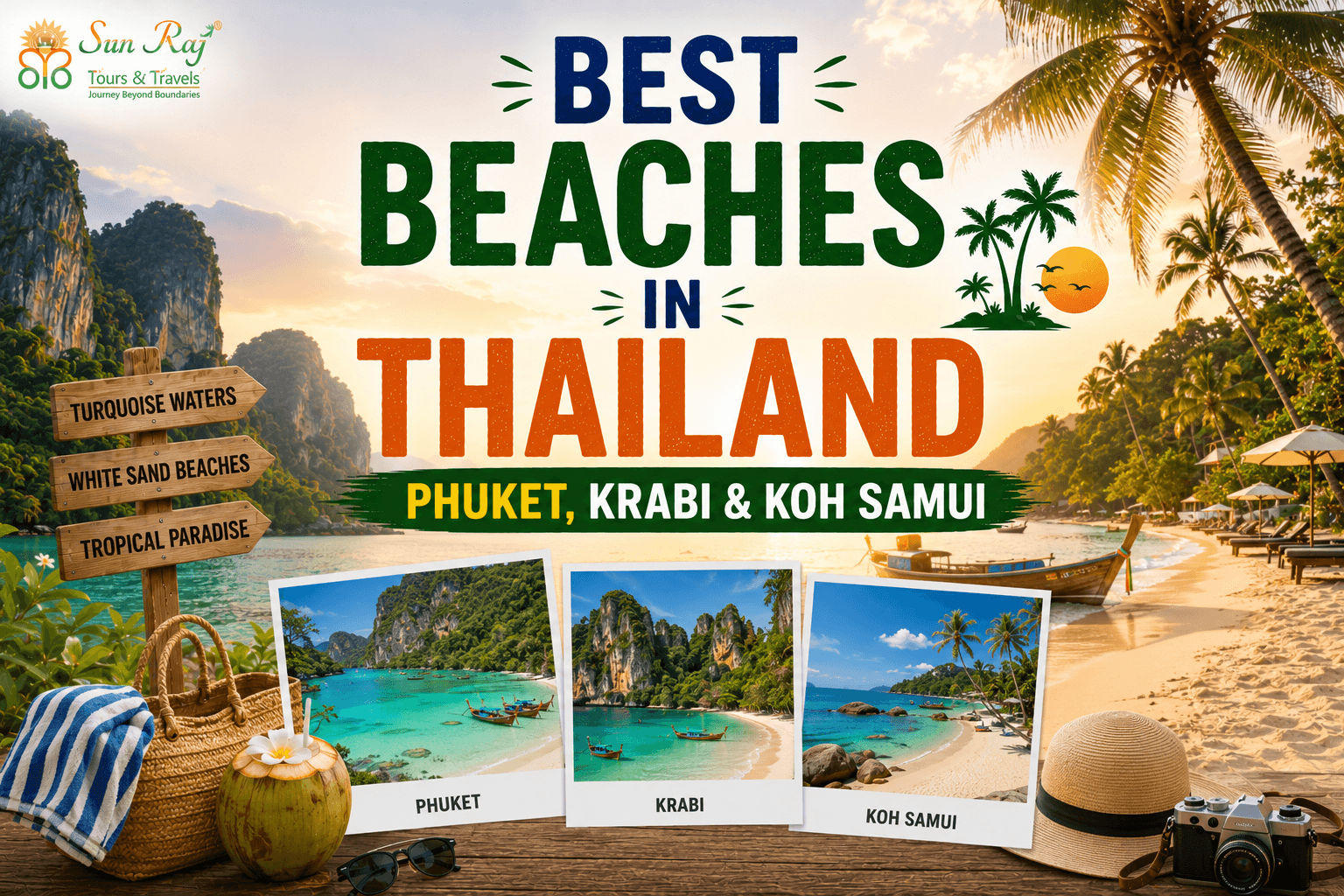
Three destinations stand above the rest when it comes to the best beaches in Thailand to visit: Phuket, Krabi, and Koh Samui. Each has its own character and its own crowd. Phuket is big, buzzing, and easy to reach. Krabi is dramatic, scenic, and full of adventure. Koh Samui is lush, relaxed, and genuinely beautiful.
Whether you are a first-time traveller or a returning visitor who wants to explore beyond the obvious, this guide covers every beach you need to know — from the wildly popular to the blissfully hidden.
1. Why Thailand’s Beaches Are in a League of Their Own?
The best beaches of Thailand sit across two coastlines with opposite weather patterns. The Andaman Sea (Phuket, Krabi, Phi Phi, Koh Lipe) peaks from November to April. The Gulf of Thailand (Koh Samui, Koh Phangan, Koh Tao) is at its finest from January to August.
This split is an advantage. You can find ideal beach weather in Thailand almost all year round, you just need to know which coast to choose for your dates.
The water in Thailand is warm year-round, typically between 27°C and 30°C. The marine life is exceptional. The landscapes, particularly along the Andaman coast, are truly unlike anything else in Asia. Limestone karsts jut from turquoise bays. Jungle-covered hills meet secluded coves. Long-tail boats painted in bright colours dart across channels between islands.
Add to that the affordability, the warm hospitality, the excellent food, and the wide range of accommodation, and it becomes easy to understand why Thailand draws millions of beach travellers every year.
2. Best Beaches in Thailand – Phuket
Phuket is Thailand’s largest island, covering 543 square kilometres. It sits in the Andaman Sea, connected to the mainland by a bridge. Phuket International Airport receives direct flights from Mumbai, Delhi, Bangalore, and Chennai, making it one of the most accessible beach destinations in Southeast Asia for Indian travellers.
The best beaches in Thailand Phuket, are mostly on the island’s west coast, where the Andaman Sea delivers clear water, gentle waves (in high season), and superb sunsets.
Here is a beach-by-beach breakdown:
Patong Beach – Best for Nightlife & Energy

Patong is the most famous beach in Phuket. It stretches for 3 kilometres and operates at full volume from morning until well past midnight.
The beachfront buzzes with jet skis, parasailing, banana boats, and massage stalls during the day. After sunset, Bangla Road, a pedestrian street lined with bars, clubs, and live music venues, takes over.
The northern end of the beach is noticeably quieter than the southern section, which is where most of the noise concentrates. Families are better served by other beaches, but solo travellers and groups who want maximum energy will love Patong.
Best for: Nightlife lovers, solo travellers, groups.
Nearest airport: Phuket International (45 minutes by car).
Kata Beach – Best for Families and First-Timers

Kata is considered one of the best beaches in Thailand for families. The water is calm during the high season, the sand is wide and clean, and the nearby streets are full of restaurants, shops, and cafés that cater to all budgets.
There are two Kata beaches side by side. Kata Yai is the larger, more popular one. Kata Noi, tucked around a headland to the south, is smaller and far less crowded. The drive between Kata and Karon passes a viewpoint that offers a sweeping view of three bays at once — do not miss it at sunset.
Best for: Families, couples, first-time Phuket visitors.
Karon Beach – Best for Space and Calm

Karon is one of Phuket’s longest beaches at nearly 3 kilometres. The sand here is famous for being squeaky underfoot, a sign of its unusual fine texture. The beach is wide, flat, and much less crowded than Patong or Kata.
The town behind Karon has a local, unhurried feel. You will find budget hotels, local restaurants, and convenience stores, good for travellers who want Phuket’s beach experience without the noise or premium prices. Karon is also well-positioned for joining island day tours, as most operators pick up from here.
Best for: Families, relaxed travellers, those who want plenty of space on the sand.
Nai Harn Beach – Best for Peace and Sunsets
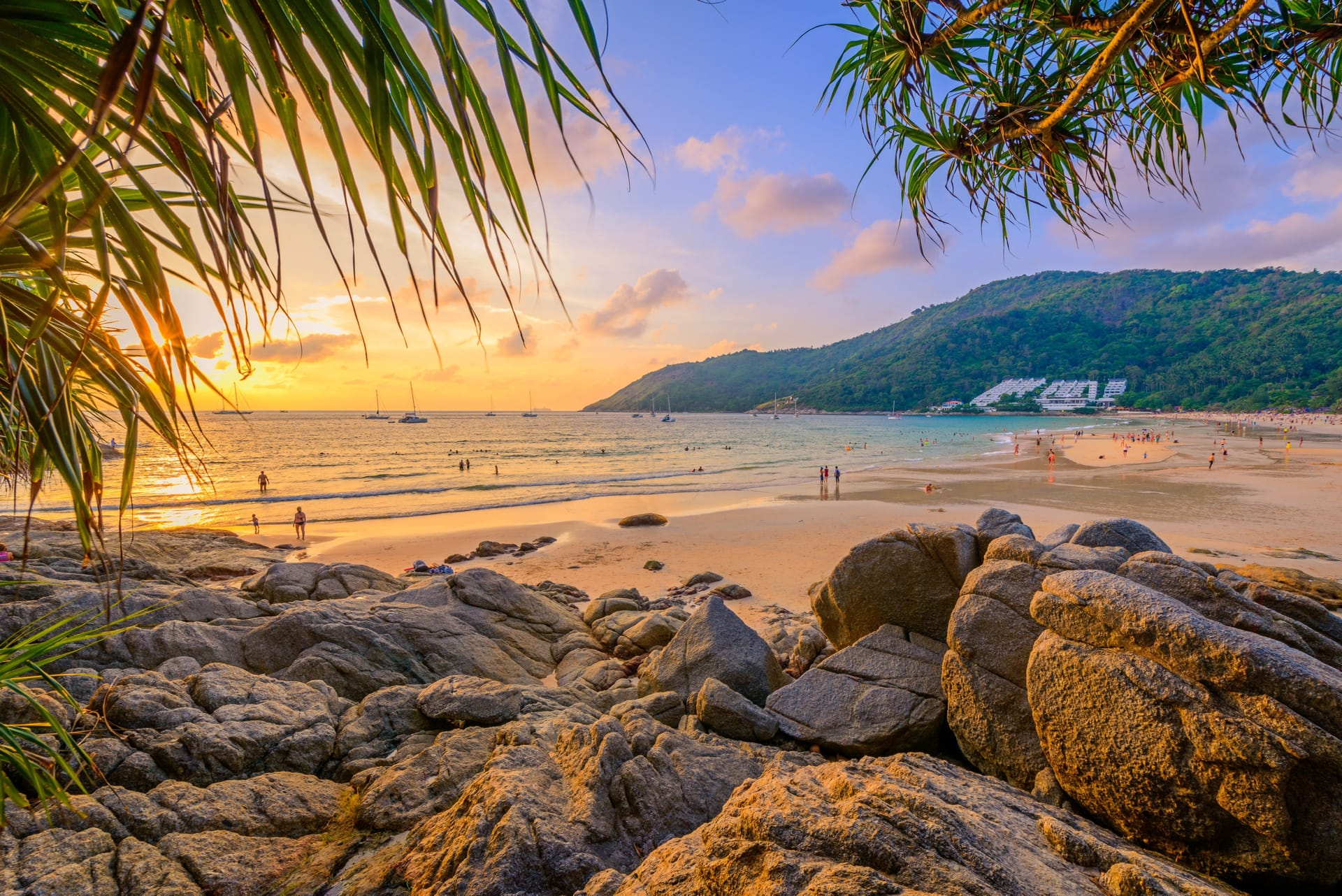
Nai Harn sits at Phuket’s southern tip, tucked inside a sheltered bay surrounded by hills. It is one of the best beaches of Thailand for those who want calm, local, and beautiful all in one place.
Sailing boats and yachts anchor here during high season. The beach itself is clean and scenic, with a few excellent restaurants close by. A short walk uphill brings you to Promthep Cape, Phuket’s most celebrated sunset viewpoint. The view of the Andaman Sea turning orange and gold at dusk is worth the trip alone.
Best for: Couples, solo travellers, long-term visitors, and photography enthusiasts.
Kamala Beach – Best for a Relaxed Family Day

Kamala sits just north of Patong but feels completely different. It is a genuine fishing village, boats still dock along the shore, and the pace is unhurried. The bay is large and calm, making it safe for children to swim.
The beach is tree-lined and has good Thai and international restaurants along its edge. For those who want a beach club atmosphere, the Ibiza-inspired Café Del Mar is on Kamala. For everyone else, the quieter local bars and cafés are excellent for sunset drinks.
Best for: Families, couples who want calm without total isolation.
Surin Beach – Best for Upscale Beauty

Surin went through a dramatic transformation when illegal beach clubs and restaurants were removed, restoring its natural beauty. Today, it is one of Phuket’s most striking beaches: fine sand, clear turquoise water, and an upscale crowd drawn by nearby luxury resorts like Amanpuri and The Surin.
Motorised water sports are rare here, which keeps the water peaceful. Kayaks and surfboards are more common. The beach draws a sophisticated crowd and is excellent for swimming and people-watching in equal measure.
Best for: Luxury travellers, couples, snorkellers.
Bang Tao Beach – Best for Long Walks and Luxury Resorts

Bang Tao is Phuket’s longest beach at 6 kilometres. Located in the north of the island, it is quieter and more spread out than the southern beaches. The Laguna resort complex lines part of the shore, but large sections of the beach remain open and relatively uncrowded.
If you want a long morning walk along the water’s edge, cool shade under casuarina trees, and a sense of space, Bang Tao delivers it beautifully.
Best for: Luxury resort guests, couples, and those seeking a quiet start to the day.
Freedom Beach – Best Hidden Gem in Phuket

Freedom Beach is Phuket’s best-kept secret. It sits just minutes from the busy Patong area but is reachable only by longtail boat from the Amari Hotel jetty, or via a steep jungle hike. Most people either do not know about it or do not bother, which is exactly why it is special.
The beach is pristine: soft white sand, crystal-clear water, and very few visitors on most days. It is a true paradise atmosphere, away from mass tourism.
Best for: Adventurers, couples seeking solitude, and photographers.
3. Best Beaches in Thailand – Krabi
Krabi is the kind of place that makes you stop and stare. Towering limestone karsts rise straight from the sea. Long-tail boats glide through electric-blue channels. Monkeys watch from the cliffs above. The best beaches in Thailand to visit for raw natural beauty are found here.
Krabi’s beaches are calmer and more scenic than Phuket’s, making it a favourite for couples and nature lovers. It is also the departure point for island-hopping trips to Phi Phi, Koh Lanta, and beyond.
Railay Beach – Best Scenic Beach in Thailand

Railay is the crown jewel of Krabi. It is only accessible by boat, limestone cliffs cut it off completely from the mainland road network. This isolation gives Railay a peaceful, almost otherworldly quality.
The west side of Railay has the main swimming beach: white sand, clear water, and dramatic cliffs as a backdrop. Rock climbers come from around the world to scale those walls. Sunset here is extraordinary.
Stay overnight to get the full experience. Day-trippers fill the beach between late morning and mid-afternoon. Early mornings and evenings belong to the guests who stay.
Best for: Couples, rock climbers, photographers, honeymooners.
Phra Nang Beach – Most Beautiful Beach in Krabi

Phra Nang is accessible by a short walk along the beach from Railay’s west side. Many travellers who have visited the best beaches of Thailand across the country put Phra Nang at the very top of their list.
The water is a brilliant electric blue. The sand is powder white. Limestone walls rise on three sides, creating a natural amphitheatre. At the far end, a cave known as the Princess Cave is decorated with carved wooden offerings, a fascinating cultural curiosity alongside the natural spectacle.
Best for: Couples, photography enthusiasts, those visiting Railay.
Ao Nang Beach – Best Base for Exploring Krabi

Ao Nang is the most practical beach in Krabi. The beach itself is functional rather than pristine, but its location is ideal. It is the main hub for tours and island-hopping, with long-tail boats departing daily for Railay, Phra Nang, the Hong Islands, and beyond.
The beachfront road is lined with restaurants, cafés, dive shops, and travel agents. If this is your first time in Krabi and you want easy access to everything, Ao Nang is the logical base.
Best for: First-time Krabi visitors, families, and island-hopping travellers.
Klong Muang Beach – Best for Quiet Luxury

Klong Muang is north of Ao Nang and sees far fewer tourists. The beach is wide, clean, and backed by forest. Several excellent luxury resorts are situated here, offering a peaceful retreat with easy access to the broader Krabi area.
Best for: Luxury travellers, couples wanting a quiet base without the crowds.
4. Best Beaches in Thailand – Koh Samui
Koh Samui is Thailand’s second-largest island, sitting in the Gulf of Thailand. The island feels lush and tropical, coconut plantations cover the interior hills, and the ring road around the island passes through fishing villages, waterfalls, and temples before returning to the beach.
Koh Samui’s beaches are among the best beaches in Thailand for those who want a balance of beauty, activity, and comfort.
Chaweng Beach – Best All-Round Beach on Koh Samui

Chaweng is Koh Samui’s most popular beach. It stretches for 6 kilometres along the east coast, offering something genuinely different at each end. The northern section is livelier, with resorts, restaurants, and water sports. The central stretch is the social heart of the beach. The southern end is quieter and more suitable for families.
The water is shallow and calm, ideal for swimming. The sand is fine and white. After dark, beach bars and clubs take over the promenade.
Best for: Families (day), nightlife seekers (evening), first-time Koh Samui visitors.
Lamai Beach – Best for Couples and Slow Travel

Lamai sits just south of Chaweng and offers most of the same beauty with significantly less noise. The sand is wide and soft. The water is clear and calm. Beachfront cafés serve excellent coffee and fresh seafood.
Mornings on Lamai are particularly special. You can walk the waterline for long stretches with almost no one else in sight. Candlelit dinners on the sand are a feature of Lamai’s evenings.
Best for: Couples, mature travellers, those who want calm with good facilities nearby.
Maenam Beach – Best for Authentic Island Life

Maenam runs along Koh Samui’s northern coast. It is a long, wide beach with a genuinely local feel. Most of the restaurants here are family-run. Most of the guests are long-stay travellers or Thai families on holiday.
If you want to feel less like a tourist and more like someone who actually lives on the island for a while, Maenam is where you should be.
Best for: Long-stay travellers, digital nomads, couples seeking a quiet and authentic base.
Bophut Beach and Fisherman’s Village – Best for Culture and Food
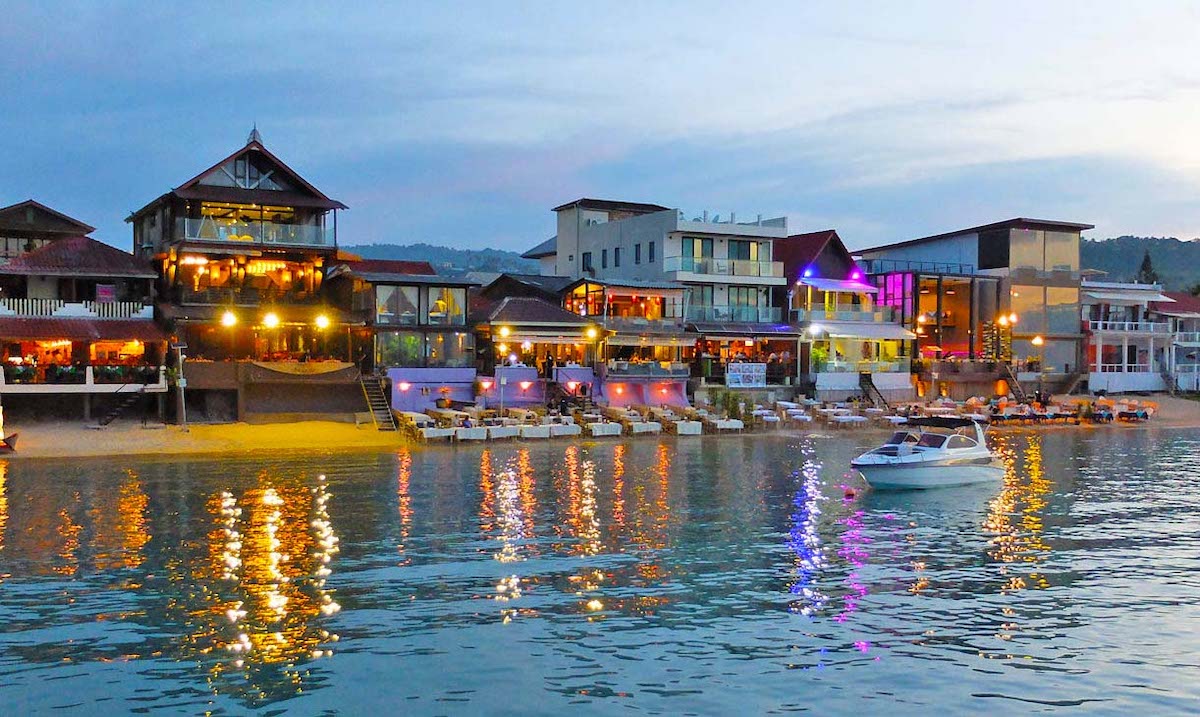
Bophut Beach is charming in itself, but what makes this area special is the Fisherman’s Village right behind it. Old wooden shophouses line a narrow street, now home to boutique cafés, art galleries, seafood restaurants, and gift shops.
Every Friday evening, the village hosts a lively walking night market — one of the best markets on the island.
Best for: Foodies, culture lovers, couples who enjoy a unique local atmosphere.
Silver Beach – Best for Snorkelling Near Chaweng
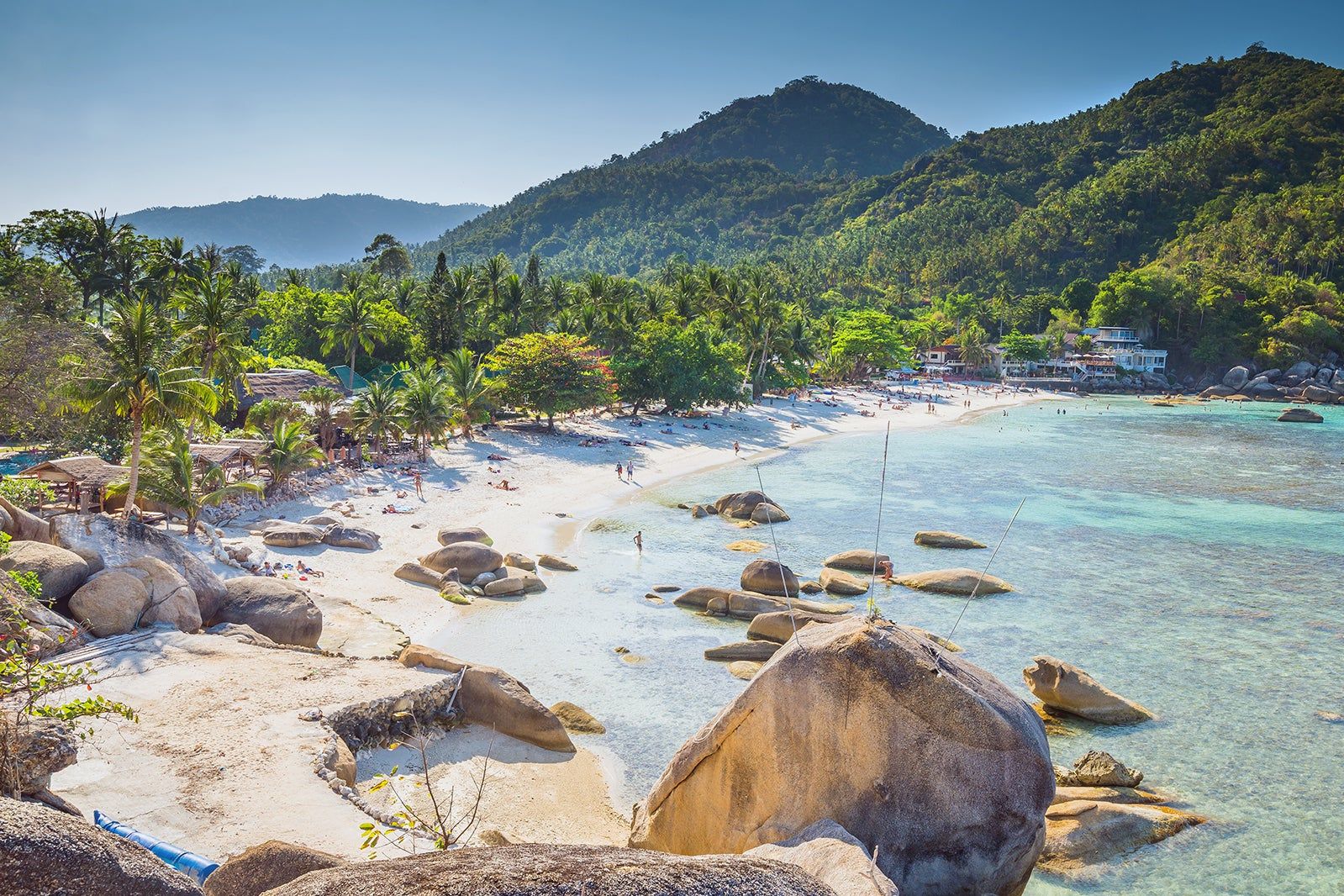
Silver Beach is a small, secluded cove tucked between Chaweng and Lamai. It stretches just 250 metres but packs in calm, clear water, a handful of sun loungers, and open-air dining. Snorkelling directly from the beach is rewarding, with good visibility in the high season.
It is the ideal spot for those who love Chaweng’s general area but want a quieter place to spend a beach day.
Best for: Snorkellers, couples wanting a quieter alternative to Chaweng Beach.
5. Beyond the Big Three: More Top Beaches to Visit
Maya Bay, Phi Phi Islands – Most Photographed Beach in Thailand

Maya Bay became famous worldwide after the film The Beach was shot there. The real location does not disappoint: high limestone cliffs surround a sheltered cove of surreal turquoise water. It is genuinely spectacular.
The Thai government temporarily closed Maya Bay for several years to allow coral recovery. It has reopened with stricter visitor rules and limits. The best strategy is to arrive by speedboat in the early morning, before the daily rush of day-trippers.
How to get there: Speedboat from Phuket or Krabi (1–1.5 hours).
Sunrise Beach, Koh Lipe – Thailand’s Maldives

Koh Lipe is located inside Tarutao National Marine Park in Thailand’s far south. It is often called the “Maldives of Thailand”, a phrase that, in this case, is actually fair.
Sunrise Beach is the island’s centrepiece: powdery sand, flawless turquoise water, and some of the best snorkelling in the country directly from the shore. The island is tiny enough to walk across in 15 minutes.
How to get there: High-speed ferry from Pak Bara pier (2 hours) or from Langkawi, Malaysia.
6. Best Time to Visit Thailand’s Beaches
The ideal time depends on which coast you plan to visit.
Andaman Coast (Phuket, Krabi, Phi Phi, Koh Lipe): The dry season runs from November to April. This is peak beach season, skies are clear, the sea is calm, and the water is at its most transparent. December to February attracts the largest crowds and the highest prices. November and April offer a good balance of good weather and fewer tourists.
Gulf of Thailand (Koh Samui, Koh Phangan, Koh Tao): This coast has a different seasonal pattern. It is best visited from January to August. The Gulf’s own wet season hits from October to December, which coincides with the Andaman coast’s finest weather. This is another reason why knowing your coastline matters.
For Indian travellers planning a holiday, the team at SunRaj Travels’ Thailand tour packages can recommend the best travel window from Mumbai based on your chosen destination and dates.
7. Which Beach Suits Your Travel Style?
Not all beaches work for all travellers. Here is a quick guide:
For families with young children: Kata Beach (Phuket), Karon Beach (Phuket), Chaweng Beach (Koh Samui)
For couples on a romantic trip: Phra Nang Beach (Krabi), Railay Beach (Krabi), Nai Harn Beach (Phuket), Lamai Beach (Koh Samui)
For nightlife and evening energy: Patong Beach (Phuket), Chaweng Beach (Koh Samui)
For snorkelling and diving: Sunrise Beach on Koh Lipe, Maya Bay (Phi Phi Islands), Surin Beach (Phuket), Silver Beach (Koh Samui)
For total peace and quiet: Freedom Beach (Phuket), Maenam Beach (Koh Samui), Klong Muang Beach (Krabi)
For first-time visitors to Thailand: Ao Nang (Krabi) or Kata Beach (Phuket), both have good infrastructure and provide easy access to many of the best beaches in Thailand by day trip.
8. How to Reach Thailand from India?
By Air: Direct and one-stop flights operate from Mumbai, Delhi, Bangalore, Chennai, and Kolkata to Bangkok, Phuket, and Krabi. Airlines include Thai Airways, AirAsia, IndiGo, and Air India. Flight time from Mumbai to Phuket is approximately 4.5–5.5 hours.
From Bangkok, you can take a short domestic connecting flight or an overnight sleeper train south toward the beach destinations. Most Indian travellers flying from Mumbai prefer a direct flight to Phuket or Krabi to avoid unnecessary travel time.
Visa: Indian passport holders require a visa to enter Thailand. The process is straightforward and well-documented. SunRaj Travels handles the complete visa process, documentation, submission, and follow-up, for travellers from Mumbai and across India.
9. Practical Beach Travel Tips for Thailand
Respect the flag system. Thai beaches use coloured flags to communicate swimming safety. A red flag means the water is dangerous — do not enter. Always check flag conditions before swimming, especially during the shoulder months (May, October).
Protect the marine environment. Coral reefs across Thailand have faced serious damage from overtourism. Do not touch coral. Do not feed marine animals. Do not step on reefs. The temporary closure of Maya Bay was a direct result of visitor damage.
Carry a sarong. Many beaches are close to Buddhist temples. A sarong or lightweight cover-up is useful and respectful when you explore beyond the beach.
Download Grab and Bolt. Both ride-hailing apps work reliably across Phuket, Krabi town, and Koh Samui. They offer fixed prices and are far more predictable than negotiating with local taxi drivers.
Book accommodation early for peak season. The best hotels and resorts near the most popular beaches in Thailand fill up quickly from December to February. Book at least two to three months ahead if you are travelling during this period.
Use strong sunscreen. The Thai sun is intense year-round. SPF 50 is recommended. Reef-safe sunscreens are increasingly required or encouraged at marine national parks.
Carry cash. Many smaller beach stalls, local restaurants, and longtail boat operators only accept cash. Thai Baht is the local currency. ATMs are widely available at major beaches but may charge international transaction fees.
10. Frequently Asked Questions
Which is the most beautiful beach in Thailand?
Phra Nang Beach in Krabi consistently ranks among the most visually spectacular — limestone walls, electric-blue water, and white sand. Maya Bay in the Phi Phi Islands and Railay Beach are close competitors. Beauty, of course, is personal.
What are the best beaches in Thailand for families?
Kata Beach and Karon Beach in Phuket, and the northern end of Chaweng Beach in Koh Samui, are well-suited for families. These beaches offer calm water, good facilities, and nearby restaurants and activities for children.
Is swimming safe at Thailand’s beaches?
Yes, during the high season. Always check the beach flag system. Red flags indicate dangerous conditions — do not swim on those days. Beaches like Kata, Karon, and Chaweng are generally safe for families during peak season.
Which is better for first-time visitors — Phuket or Krabi?
Both are excellent starting points. Phuket has a larger international airport, more accommodation options, and a wider range of beach types. Krabi is more scenic and relaxed. Many travellers combine both on a single trip, using Phuket as the arrival point and adding Krabi or Railay as a side trip.
Can I visit Phuket, Krabi, and Koh Samui in one trip?
Yes, with enough time. A 12–14-day trip can comfortably cover Phuket, Railay/Krabi, and the Phi Phi Islands. Koh Samui adds a flight or a full-day ferry, so budget extra days if you want to include it.
What is the best time for Indian travellers to visit Thai beaches?
November to March is the most popular window for the Andaman coast and offers ideal weather on both coasts simultaneously. Flights and hotels are cheaper in November and March compared to December and February. If you prefer the Gulf coast (Koh Samui), January to August works well.
Do I need a visa for Thailand from India?
Yes. Indian passport holders need a tourist visa for Thailand. SunRaj Travels provides complete visa assistance from Mumbai, including document preparation, submission, and status tracking.
Conclusion
The best beaches in Thailand offer something that very few destinations can match: an extraordinary variety within easy reach of each other.
You can spend your mornings swimming in a hidden cove off Krabi’s coastline, your afternoons exploring the Phi Phi Islands by speedboat, and your evenings watching the Andaman Sea change colour from a clifftop restaurant in Phuket. Or you can plant yourself on Koh Samui for a full week, doing nothing more than reading, swimming, eating seafood, and slowly working your way through every shade of turquoise the Gulf of Thailand has to offer.
The best beaches of Thailand wait for every type of traveller — the adventurer, the romantic, the family, the solo explorer. The only thing you need to do is choose where to start.
Ready to plan your trip? Explore SunRaj Travels’ Thailand tour packages from Mumbai — complete with flights, hotels, visa support, and curated itineraries across Phuket, Krabi, Bangkok, and beyond.